
 日本語
日本語 ENGLISH
Discover BAM Kamakura
What is the British Antique Museum BAM Kamakura?
The British Antique Museum BAM Kamakura is located along the approach to Tsurugaoka Hachimangu Shrine. It showcases genuine British antiques over 100 years old collected by Director Masaomi Dobashi, and is a museum built on the theme of “the importance of passing things down through generations.”
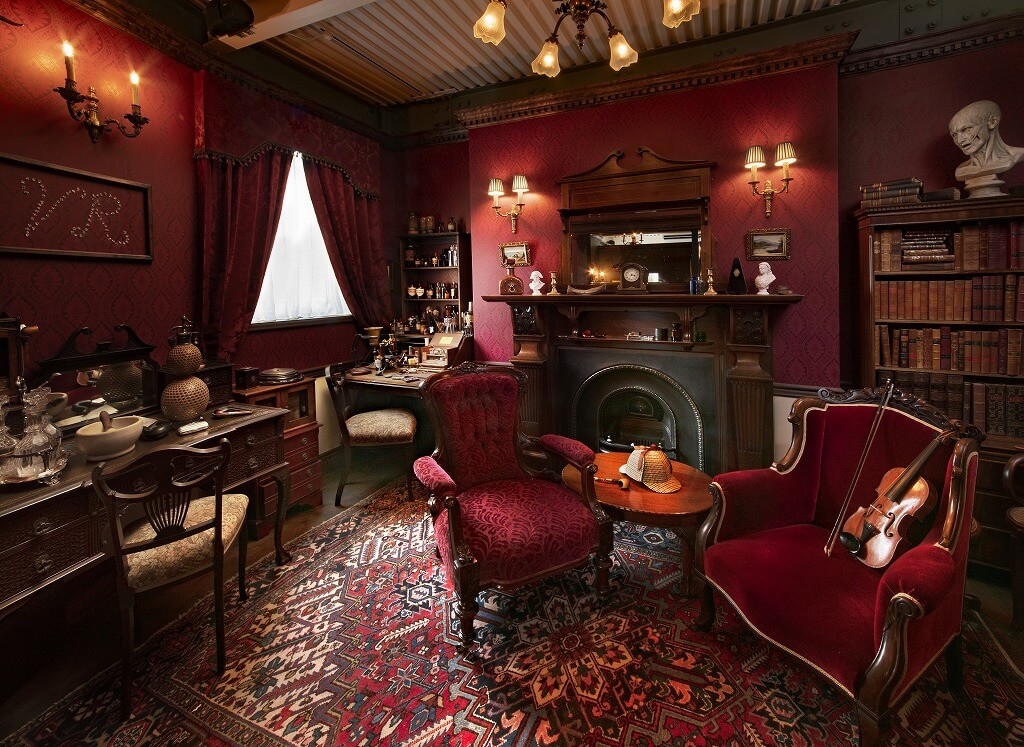
Inside the museum, antiques are presented by historical period, including the Georgian Room and the Victorian Room. On the 3rd floor, an authentically recreated “Sherlock Holmes Room” made using period antiques is a special highlight for fans of Conan Doyle. On the ground floor, a vintage London taxi and a classic telephone booth are also on display.
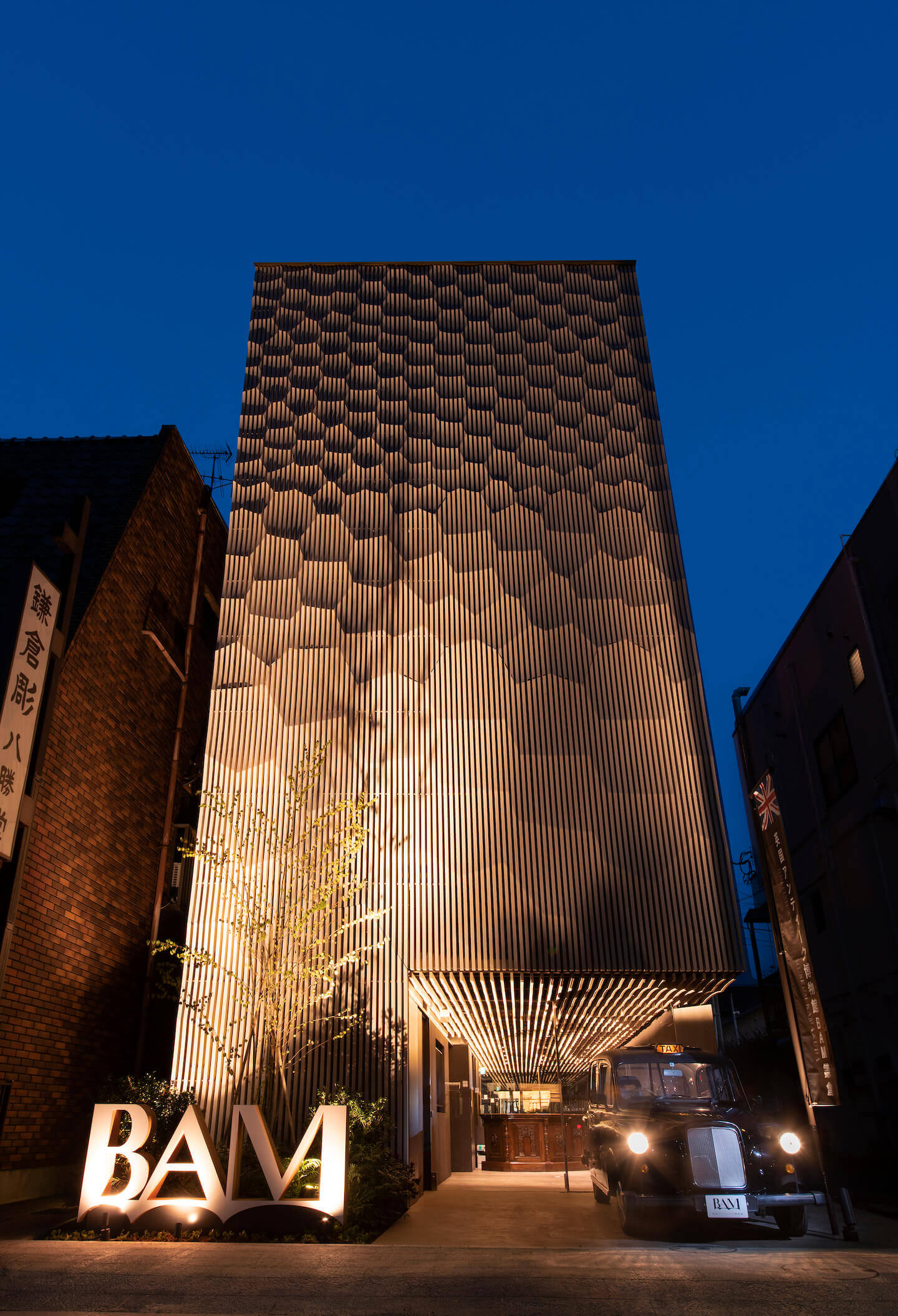
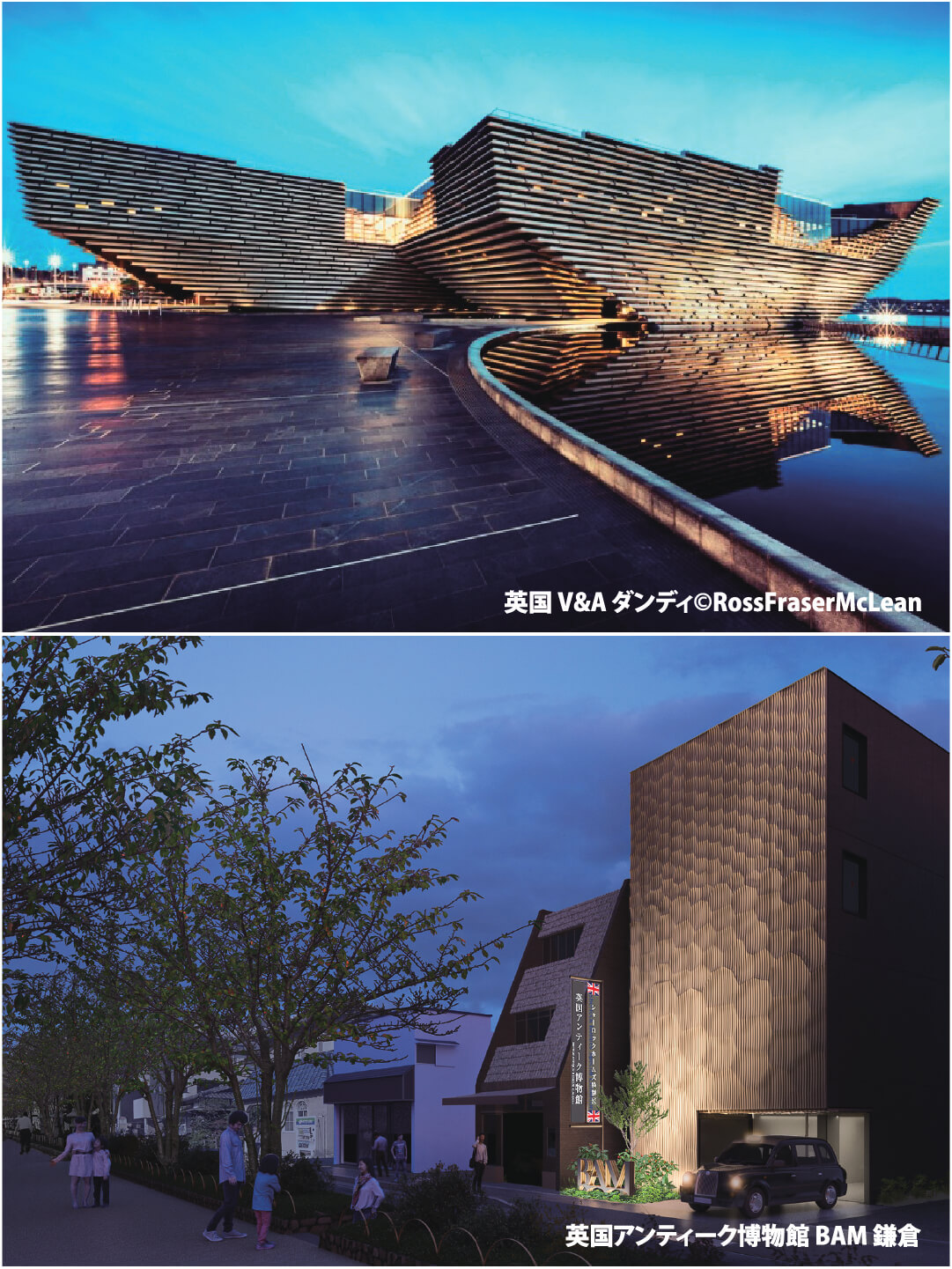
The architecture of BAM was designed by architect Kengo Kuma, featuring a distinctive windowless minimal façade inspired by Kamakura-bori wood carving. The building creates a space where British sensibility and Kamakura’s unique culture harmoniously merge.
A Faithful Recreation of Sherlock Holmes’ Room
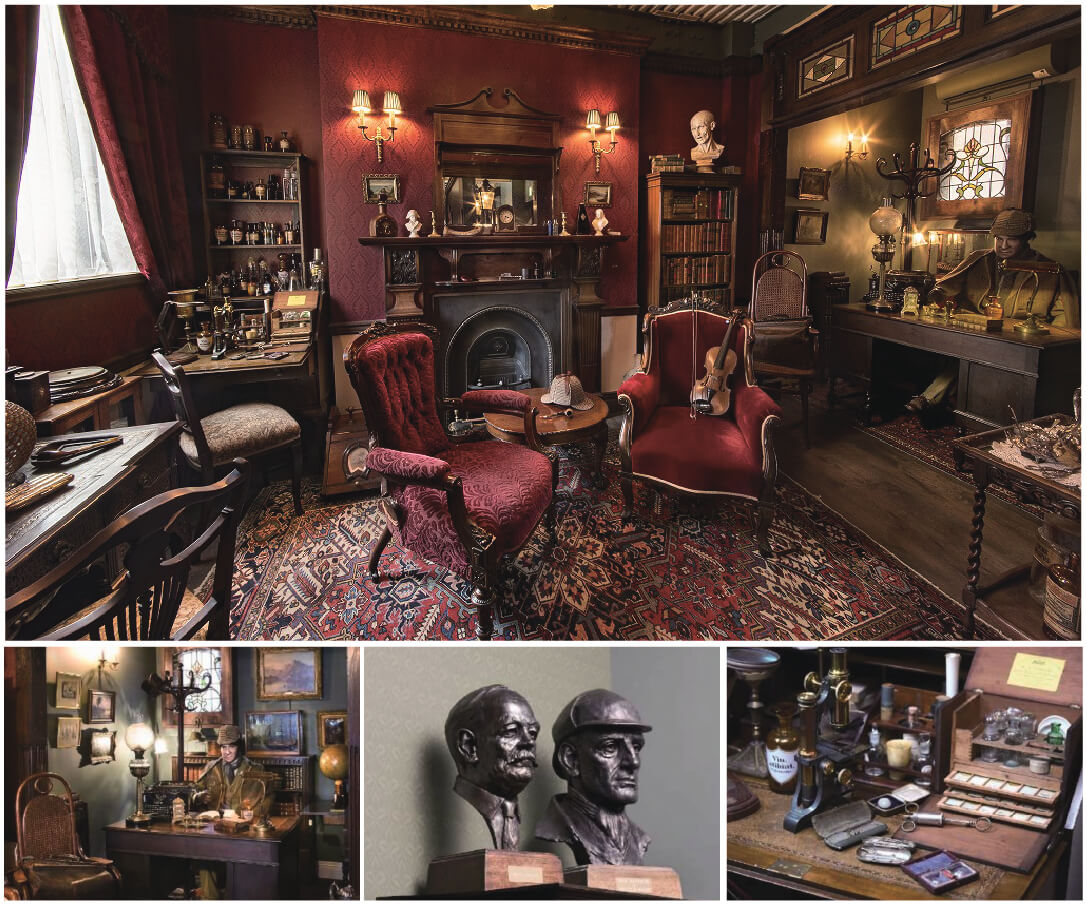
One of the most notable highlights of BAM Kamakura is the recreation of “Sherlock Holmes’ Room” on the 3rd floor. Featuring authentic Victorian-era antiques such as a fireplace, chairs, lamps, a violin, and apothecary bottles, the room is meticulously reproduced to create the impression that the great detective himself might appear at any moment.
Rare first editions are also on display, making it a must-see for devoted Sherlockians. The exhibit is officially connected with the Sherlock Holmes Museum on Baker Street in London, allowing visitors in Japan to experience an immersive and authentic world supported by materials from the original institution. It is a special space where the atmosphere of British literature and the detective era can be fully appreciated—right here in Kamakura.
Antiques Exhibited by Period and Theme
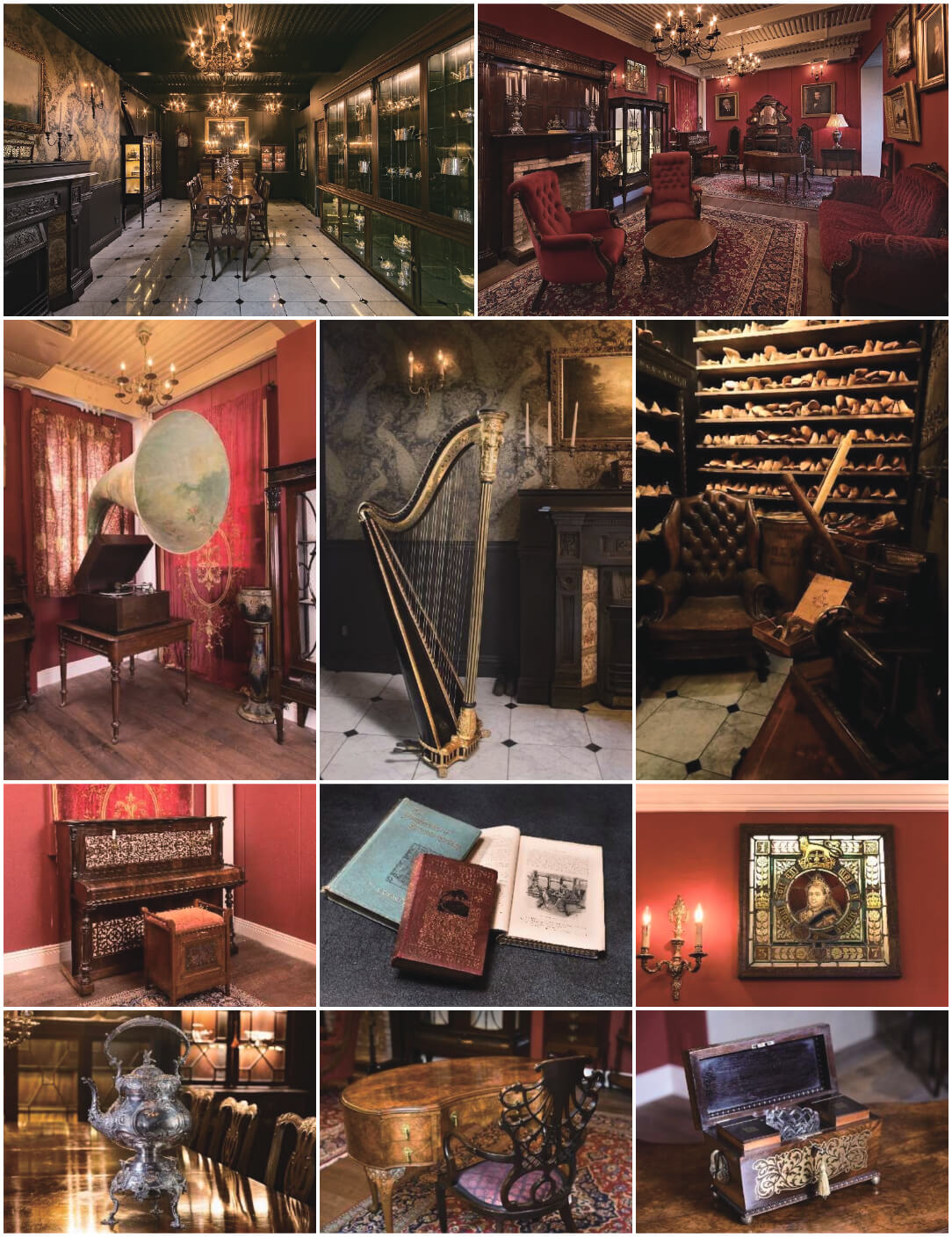
At BAM Kamakura, each floor offers exhibitions organized by historical period or theme. On the 2nd floor, the “Georgian Room” introduces elegant 18th-century British silverware, herbs, furnishings, and wooden lasts from John Lobb London, shoemakers to the British royal family. The 3rd floor faithfully recreates the Victorian-era “Sherlock Holmes Room” using genuine antiques. On the 4th floor, the “Victorian Room” showcases luxurious gramophones, pianos, and items related to Queen Victoria, giving a glimpse into the refined lifestyle of the era. Throughout the museum, collections of rare books, clocks, tea sets, stained glass, and more illustrate the evolution of British history and aesthetics. Visitors can enjoy a journey through British culture—transcending time—right here in Kamakura.
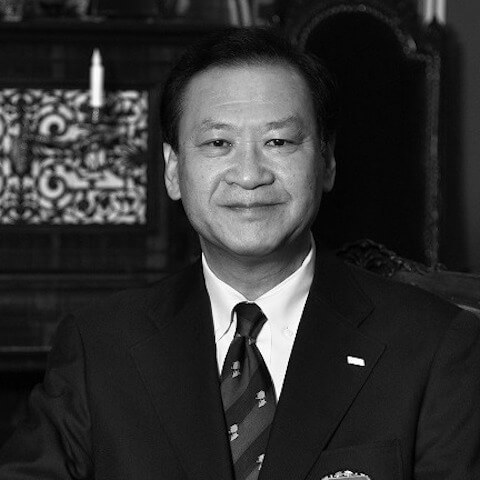
Director
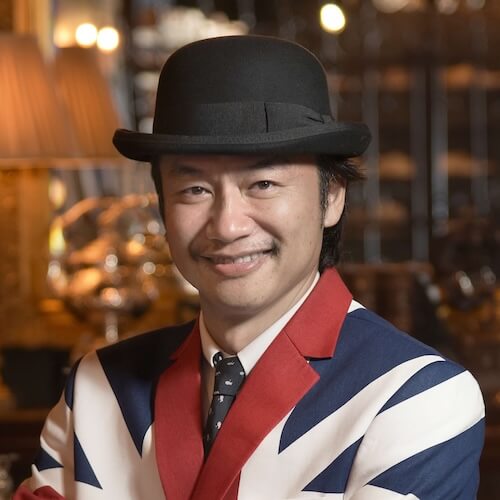
Masaomi Dobashi
British Antique Museum BAM Kamakura
- Message from the Director -
Welcome to the British Antique Museum BAM Kamakura.
I first visited the United Kingdom about 30 years ago. What struck me most was how antique furniture and furnishings were still alive in people’s daily lives, cherished and preserved with care. I was deeply moved by the idea that “objects gain beauty as they accumulate time,” and through antiques, I discovered the profound value of passing history from one person to the next.
Antiques are defined as objects made by human hands and preserved for over 100 years. They are not simply old—each piece contains the skill of its maker and the spirit of those who protected and passed it down. By owning such objects, the past and present become connected, fostering a deeper appreciation for the things we treasure.
At BAM, we have used authentic antiques to recreate Sherlock Holmes’ room, allowing visitors to experience the atmosphere of late 19th-century London. This exhibit is one of our most popular attractions.
Kamakura is a city where samurai culture thrives, and at the same time, it embraces values similar to the British National Trust movement—preserving nature and culture. I founded this museum here so visitors could experience the beauty of timeless objects.
If you stop by during your sightseeing, you can immerse yourself in the world of antiques that have been carefully preserved across the ages. I hope you will discover a richness that differs from “convenience and novelty.” If younger generations, in particular, can feel the importance of valuing objects, that would be my greatest joy.
When strolling through Kamakura, please visit BAM. May you take home with you the stories of fine British antiques as part of your journey.
About the Architectural Design of BAM
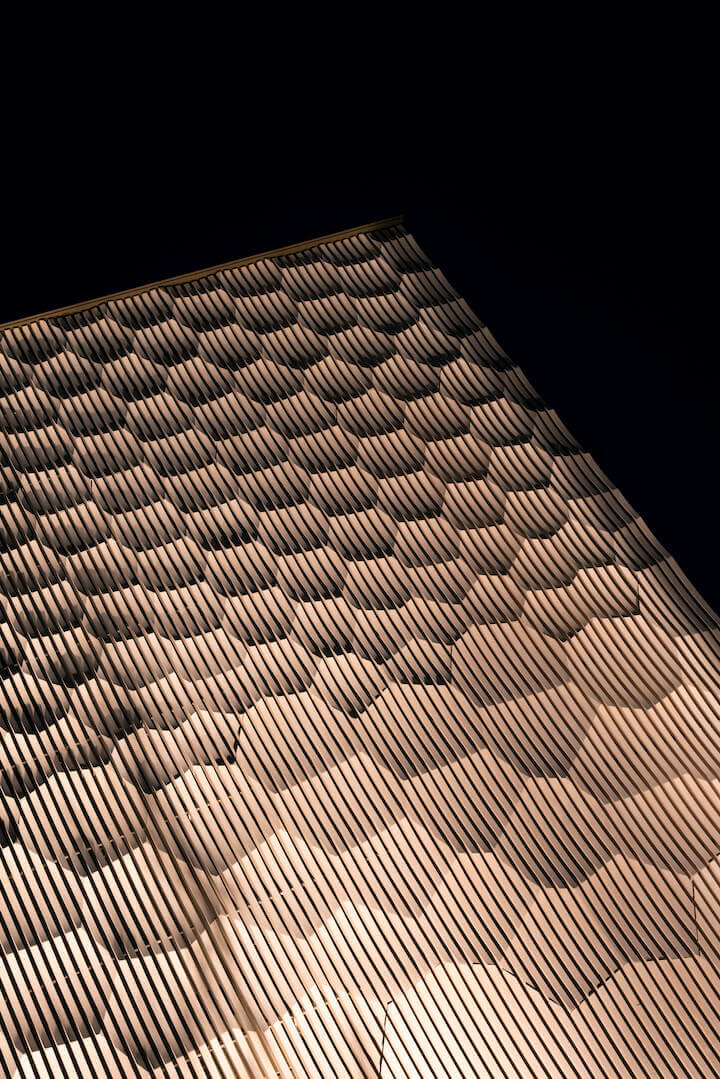
The British Antique Museum BAM Kamakura was designed by architect Kengo Kuma. Its most distinctive feature is the façade made of hinoki wood inspired by Kamakura-bori. Situated along the historic Wakamiya Oji approach, the building eliminates all windows on the front, pursuing a form of pure simplicity appropriate for its location.
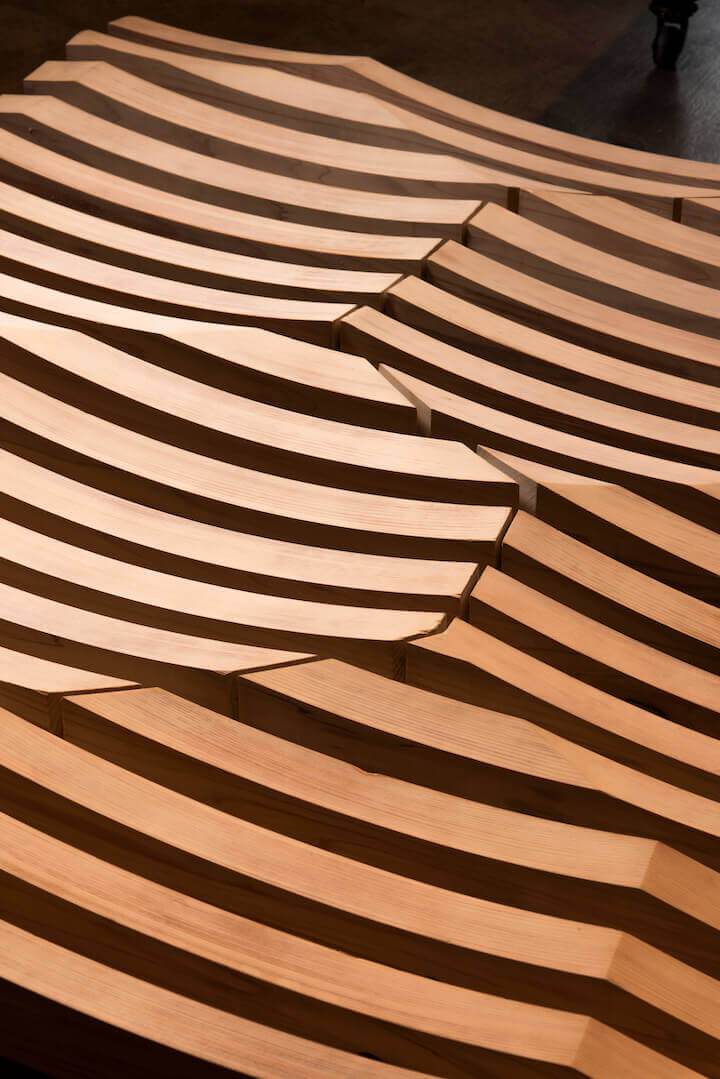
The wooden louver structure, reminiscent of Kamakura-bori, was crafted with CNC cutters to recreate the smooth curved surfaces shaped by traditional chisel marks. The spacing becomes narrower toward the upper floors to create a sense of depth. In addition, ancient timber excavated from the site was reused in the 4th-floor tearoom, connecting past and present through the medium of wood.
The Deep Connection Between Kamakura and the United Kingdom
The bond between Kamakura and the United Kingdom originates from the National Trust movement, which began in Britain as an initiative to preserve historical assets through public donations.
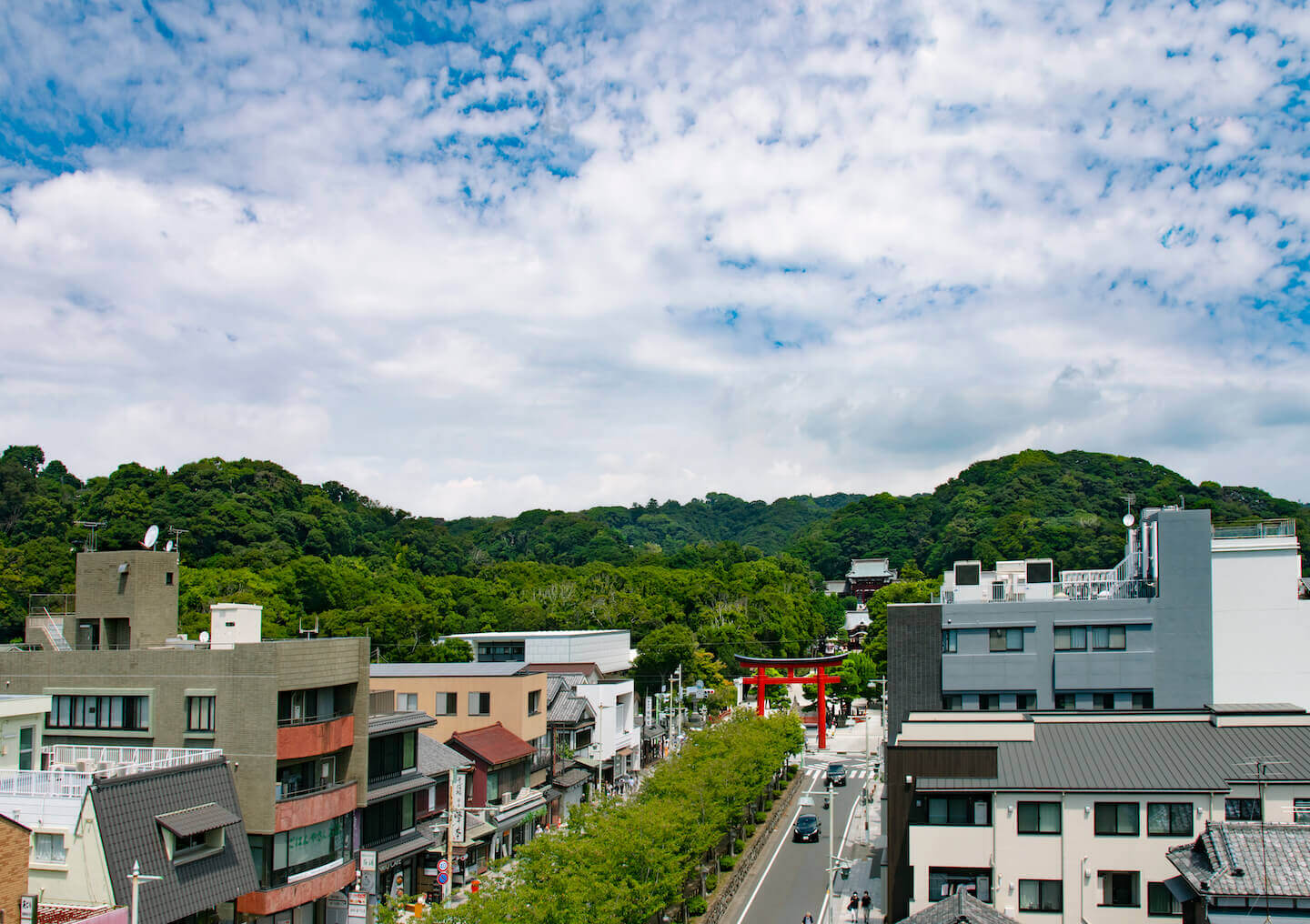
In 1964, the forested hill behind Tsurugaoka Hachimangu Shrine faced a major threat from residential development. Author Jiro Osaragi took action, and inspired by the principles of the National Trust, he worked with Kamakura citizens and the local government to protect the land. This led to the establishment of Japan’s first landscape preservation society, whose efforts later expanded nationwide and contributed to the preservation of ancient capitals.
The Connection Between Kengo Kuma, Kamakura, and the United Kingdom
The relationship between Kamakura and architect Kengo Kuma is a special one. Kuma attended Eiko Gakuen Middle and High School in Kamakura, spending his formative years in the city. Beyond designing BAM Kamakura, he is also known for his design of the V&A Dundee Museum in Scotland. The V&A preserves antiques and crafts and includes a tearoom designed by Charles Rennie Mackintosh, an architect deeply influenced by Japanese art.
The sensibilities Kuma cultivated in Kamakura and the United Kingdom’s design heritage resonate through his architectural work. BAM Kamakura embodies this harmony, serving as a cultural bridge between East and West. Both the UK and Kamakura share a philosophy of “carefully preserving things of enduring value,” creating a strong connection centered on cultural heritage and its transmission to future generations.
BAM Kamakura Confirmed to Stand on the Former Site of the Hojo Komachi Residence!
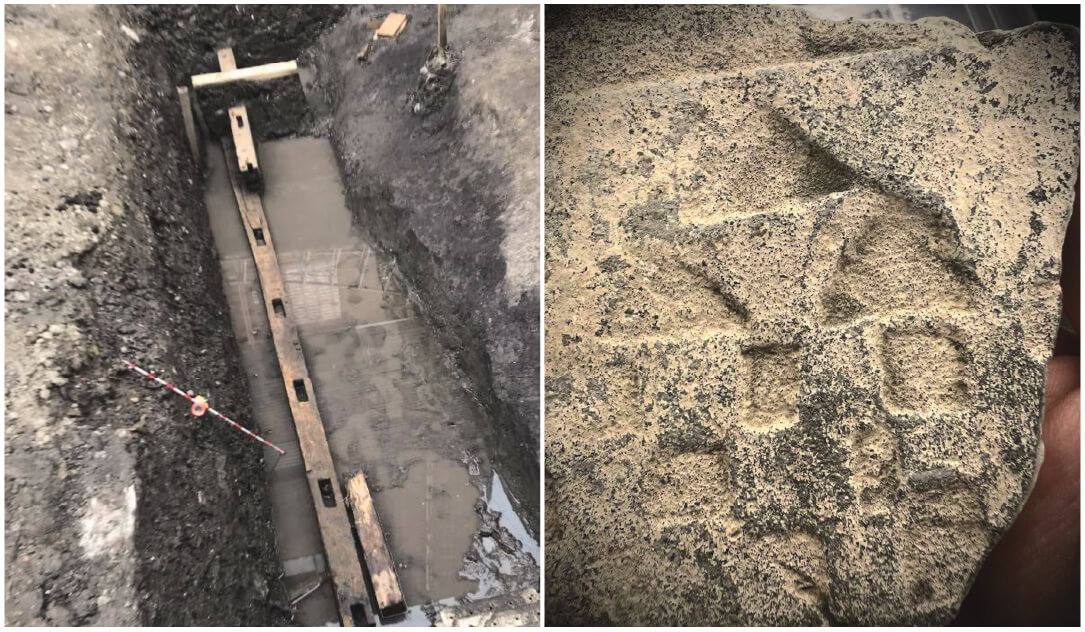
Excavations on the land where BAM Kamakura now stands uncovered roof tiles engraved with the Hojo clan crest “Mitsu-uroko” (three scales). These findings confirmed that the site was once the residence of Hojo Yasutoki, the 3rd Regent of the Kamakura shogunate, and Hojo Tokiyori, the 5th Regent. Under the guidance of the Kanagawa Prefectural Board of Education, excavations revealed foundational timbers from a bridge that once connected the residence to the Dankazura walkway, as well as fragments of ceramics—clear evidence that this was indeed a Hojo residence.
Yasutoki established the Goseibai Shikimoku, laying the legal foundations of the shogunate, while Tokiyori founded Kenchoji Temple and further strengthened Kamakura’s political and cultural base. It is deeply symbolic that a museum dedicated to the preservation of British antiques now stands on a site so rich in Japanese history—a place where the legacy of past eras continues to be handed down.
The Standing-Style Tearoom Created Inside BAM Kamakura
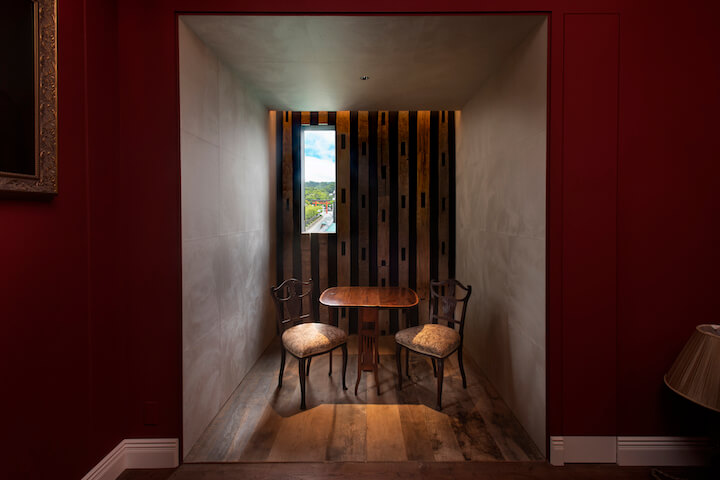
On the top floor of BAM Kamakura is “Jakusai-an,” a standing-style tearoom designed by architect Kengo Kuma. The space incorporates remains from the former Hojo Komachi Residence—
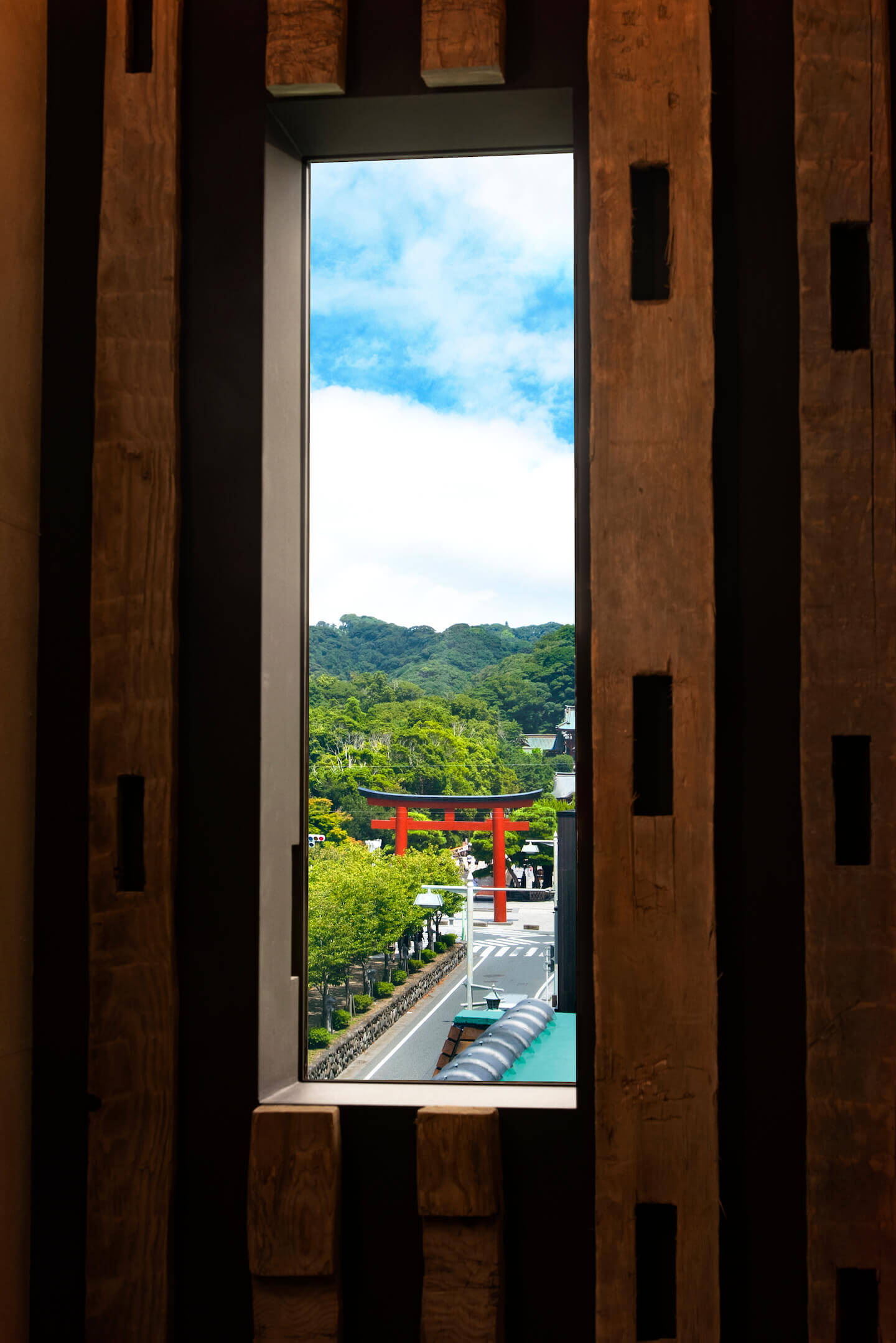
Timbers that once formed the foundation of a bridge connecting the Dankazura and the residence have been embedded into the walls as decorative elements, preserving the memory of the site. The flooring is made from oak used in authentic medieval English manor houses, allowing Kamakura and medieval Britain to resonate across time. Through the long, hanging scroll–like windows, visitors can view the forests of O-yatsu—preserved through National Trust–inspired efforts—along with the shrine buildings and torii gates of Tsurugaoka Hachimangu. The scenery of the four seasons blends naturally into the space, creating a tearoom that symbolizes the fusion of Japanese and British aesthetics and the spirit of preservation.
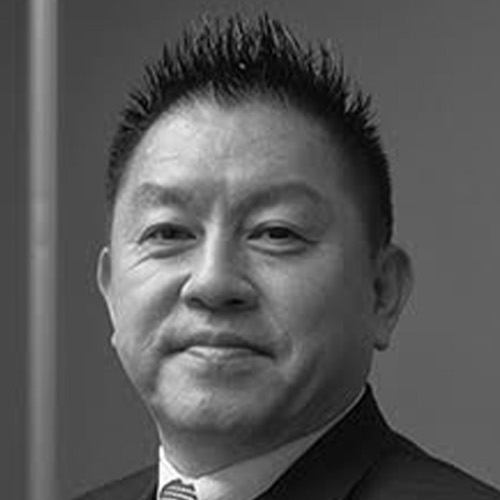
Architect

ArchitectKengo Kuma
- Message from Kengo Kuma -
There is a deep connection between British and Japanese culture. For example, Scottish architect Charles Rennie Mackintosh was profoundly influenced by Japanese architecture and design, incorporating those elements into his own tearooms.
His designs reflect a uniquely Japanese sensibility, and I recreated some of these elements in the V&A Dundee Design Museum in Scotland, which I designed in 2018. There, British antiques and contemporary design coexist, forming a world that embodies an “OLD & NEW” fusion that transcends time.
At BAM, located along Kamakura’s historic Dankazura approach, pure and authentic antiques—each over 100 years old—collected by Director Dobashi are on display. For that reason, I believed the building itself should also embody purity, free from unnecessary ornamentation. After extensive contemplation, I chose to eliminate all windows and adopt a simple, refined form, with an exterior inspired by the traditional craft of Kamakura-bori.
BAM resonates with the natural environment of O-yatsu, protected through conservation efforts influenced by the ideals of the British National Trust, and it will surely become a cultural institution cherished in Kamakura for many years to come.
Advisory Member


Kengo Kuma & Associates
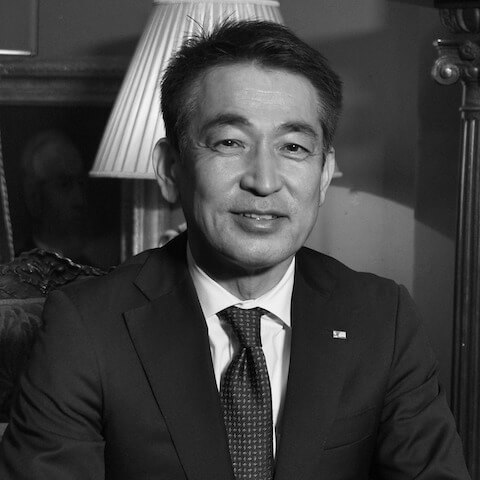
Kikushima Corporation

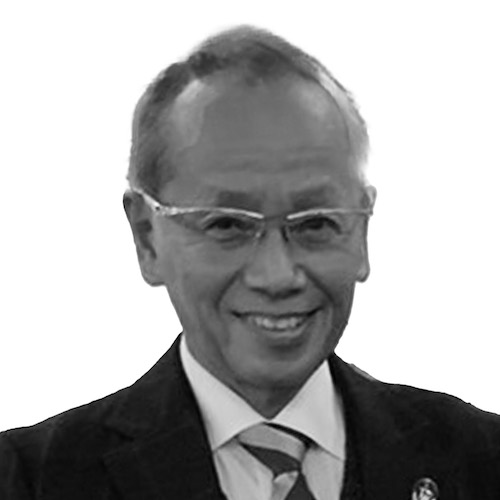
Morpho Inc.
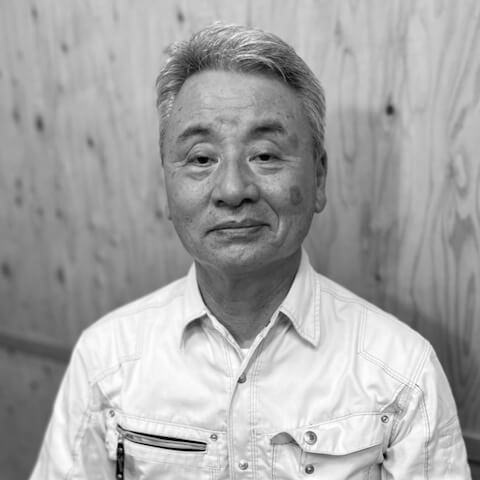
Suiho
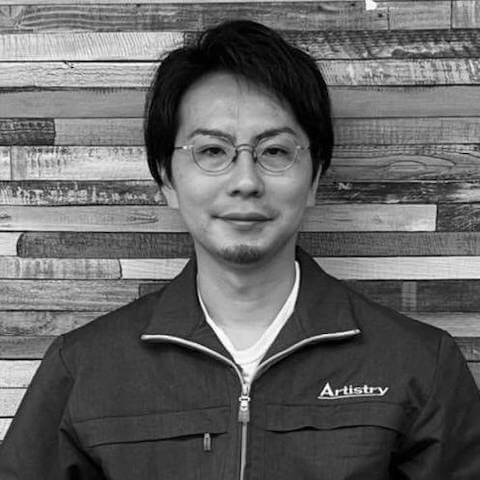
Artictory Inc.
Idea Clent Inc.
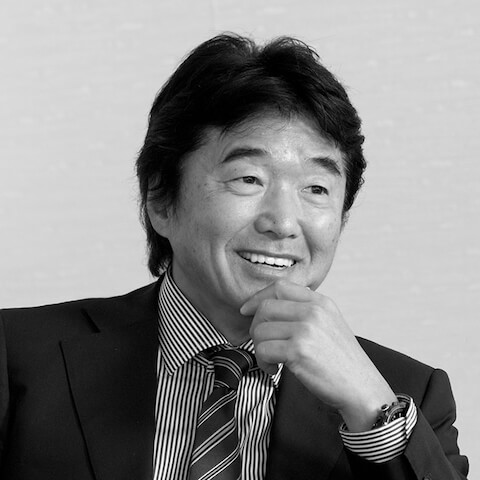
Born in 1966. Completed graduate studies at Nagasaki University. After working as a researcher at a foreign pharmaceutical company, he established Pharma Bridge Co., Ltd. in 2007. Deeply impressed by British culture, which he first encountered after graduate school, he founded Kamakura Antiques in 2012, engaging in the import of British antiques and coordination of UK-related events. As Japan’s leading collector of London taxis, he owns authentic Black Cabs from various eras. In 2022, he opened the British Antique Museum “BAM Kamakura,” fulfilling a long-held dream. The architectural design was handled by Kengo Kuma. Through the philosophy of “No Antique, No Life,” he continues to share the value of preserving fine antiques with future generations.
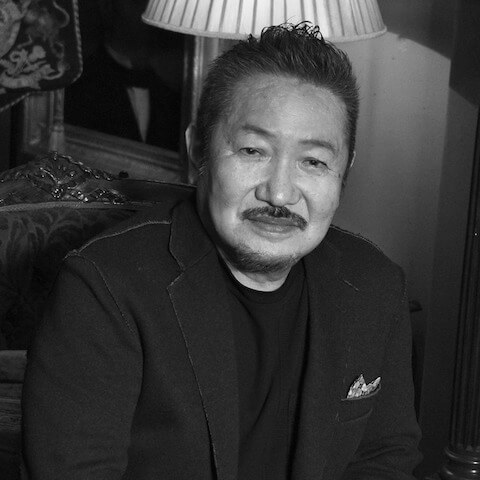
Graduate of the University of Tokyo, Department of Architecture (M.Arch.). Inspired by Kenzo Tange’s Yoyogi National Gymnasium, which he saw during the 1964 Tokyo Olympics, Kuma aspired to become an architect from childhood. He studied under Hiroshi Hara and Yoshiharu Uchida at university, and during graduate school crossed the Sahara Desert to research settlements—a journey that awakened him to the beauty and vitality of indigenous architecture. After serving as a visiting scholar at Columbia University, he founded Kengo Kuma & Associates in 1990. He has designed buildings in more than 30 countries, receiving numerous awards including the Architectural Institute of Japan Prize, the International Wood Architecture Award (Finland), and the International Stone Architecture Award (Italy). His work aims to blend architecture with local environments and cultures, creating gentle, human-scale designs. Through exploration of new materials that go beyond concrete and steel, he continues to pursue the future of architecture in a post-industrial society.